



In recent years, many parts of Japan have experienced warmer temperatures earlier than expected, and 2026 has been no exception. Long before the official start of summer, sunny afternoons and rising humidity have already reminded people that the hottest season is approaching. As temperatures climb, Japanese society begins to prepare in subtle ways. Shops introduce seasonal products, cafés change their menus, and homes make small adjustments to welcome the coming heat. These preparations reflect a uniquely Japanese concept that goes beyond physical cooling. Known as ryōkan (涼感), it refers to the feeling of coolness created through sights, sounds, tastes, and atmosphere.
Unlike air conditioners or electric fans, which cool the body directly, ryōkan focuses on cooling the mind. It is a cultural approach that has developed over centuries, particularly during times when modern technology was unavailable. Rather than fighting the heat, people learned to create an environment that felt refreshing. Today, these traditions remain an important part of Japanese summer culture and offer valuable insight into how people experience the changing seasons.
Seeing Coolness
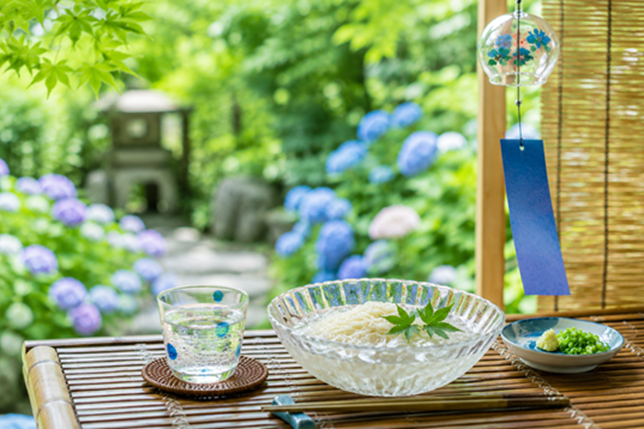
One of the most distinctive aspects of Japanese cooling culture is the use of visual cues. Certain colors are associated with coolness, especially light blue, white, and transparent shades. During the summer months, stores display glass decorations, blue-patterned tableware, and images of flowing water. Even advertisements often feature rivers, waterfalls, or clear skies to evoke a refreshing feeling.
Glass wind chimes, known as furin, are another example. Their transparent appearance catches sunlight and creates a sense of lightness. Many people decorate their homes with these simple objects long before the hottest days arrive. The visual impression alone can make a room feel cooler.
Traditional architecture also reflects this idea. Open verandas, bamboo blinds, and carefully positioned gardens were designed to create an airy atmosphere. By allowing natural light and wind to move freely, homes appeared cooler even before temperatures actually dropped.
Hearing Coolness
In Japan, sound is considered just as important as appearance. The gentle ringing of a wind chime is perhaps the most famous example. Although the sound itself does not lower the temperature, many people associate it with breezes and summer evenings. Hearing a furin often creates an immediate psychological sense of relief.
The sound of flowing water plays a similar role. Streams, fountains, and garden ponds are common features in traditional Japanese spaces. Even today, shopping centers and public parks sometimes incorporate water features to create a more comfortable atmosphere during warm weather.
Nature contributes as well. The songs of cicadas are one of the most recognizable sounds of summer in Japan. While some people find them loud, they are deeply connected to memories of childhood summers and seasonal change. Together, these sounds create an auditory landscape that signals the arrival of the season.
Tasting Coolness
Food and drink are another important part of cooling culture. As temperatures rise, menus across Japan begin to change. Cold noodles such as sōmen and hiyashi chūka appear in restaurants and homes. Shaved ice, or kakigōri, becomes increasingly popular, offering both physical and psychological refreshment.
Presentation matters as much as flavor. Summer dishes are often served in glass bowls or on blue-patterned plates that visually reinforce the feeling of coolness. Even beverages are carefully designed to look refreshing, with ice, citrus fruits, and transparent containers playing important roles.
This attention to detail reflects a broader cultural idea: cooling is not simply a physical experience but a multisensory one. The eyes, ears, and taste buds all contribute to the perception of comfort.
Cooling Culture in Fukuoka
For students living in Fukuoka, these traditions can be experienced throughout the city. Because Fukuoka faces the sea and experiences warm, humid summers, local residents have long developed their own ways of staying comfortable.
Along the waterfront areas of Hakata Bay and Momochi Seaside Park, evening sea breezes provide natural relief from the heat. As summer approaches, many cafés and restaurants begin serving seasonal desserts featuring local fruits, while shopping arcades display summer decorations and cooling-themed products.
One of the most beloved summer traditions in Fukuoka is the enjoyment of kakigōri made with regional ingredients. Cafés throughout the city offer flavors inspired by local strawberries, yuzu citrus, and green tea. These treats are not only refreshing but also showcase the agricultural products of Kyushu.
Fukuoka is also known for its lively festivals, and preparations for these events often begin before summer officially arrives. As residents anticipate the season ahead, the city gradually transforms through decorations, seasonal foods, and changing daily routines. For newcomers, these subtle changes provide an excellent opportunity to observe how Japanese culture responds to the seasons.
More Than Escaping the Heat
At first glance, cooling culture may seem like a collection of small traditions. Yet together, they reveal something deeper about Japanese aesthetics. Rather than relying solely on technology, people have long sought ways to influence how a season feels through atmosphere and perception.
This approach encourages mindfulness and attention to detail. A glass bowl, a wind chime, a bowl of cold noodles, or the sound of flowing water may seem ordinary on their own. Combined, however, they create an environment that feels noticeably different.
As the summer of 2026 approaches earlier than expected, these traditions remain as relevant as ever. They remind us that comfort is not only about changing the temperature around us, but also about changing how we experience it. Through sight, sound, taste, and atmosphere, Japan’s cooling aesthetics offer a gentle and creative way to welcome the season ahead.