



For many visitors to Japan, department stores are known for fashion, cosmetics, and beautifully designed shopping spaces. Yet beneath almost every major department store lies another world waiting to be explored—the depachika, or department store food hall. Located in the basement level, depachika are famous for offering high-quality foods, carefully prepared sweets, fresh ingredients, and beautifully presented meals. More than a convenient place to shop, they reflect Japan’s deep appreciation for seasonality. As summer arrives, depachika transform with colorful displays of refreshing foods, inviting customers to experience the changing season through taste.
Unlike supermarkets, which often focus on everyday necessities, depachika celebrate food as both craftsmanship and hospitality. Every visit offers something new, making them one of the most enjoyable places to discover Japanese food culture.
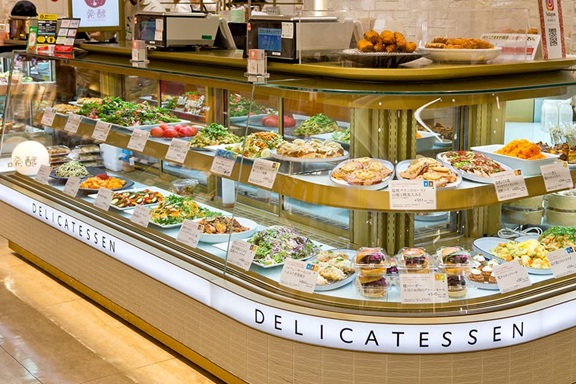
A Marketplace Beneath the City
The modern depachika began to develop during the twentieth century alongside Japan’s growing department store culture. What started as simple grocery sections gradually evolved into sophisticated food halls where famous restaurants, traditional confectionery shops, bakeries, and local specialty stores gathered under one roof.
Today, depachika are an important part of urban life. Office workers stop by after work to purchase dinner, families buy seasonal gifts, and travelers pick up beautifully packaged sweets before boarding a train. The food is carefully displayed, and many shops prepare their products in front of customers, emphasizing freshness and quality.
Walking through a depachika is often compared to visiting a food festival. Each counter presents a different specialty, while the changing displays reflect the rhythm of the seasons.
Summer Arrives on the Shelves
One of the most fascinating aspects of depachika is how quickly they change with the weather. As temperatures rise, rich winter dishes disappear, replaced by foods designed to help people stay refreshed during Japan’s hot and humid summer.
Cold noodles such as hiyashi chūka and chilled soba become popular choices for lunch and dinner. Delicately flavored jelly desserts made with citrus fruits or seasonal peaches appear in elegant gift boxes. Brightly colored fruit parfaits, mango puddings, and limited-edition summer cakes fill bakery windows.
Many prepared meals also become lighter. Summer bento often feature grilled fish, colorful vegetables, pickled side dishes, and ingredients that are easier to enjoy during warm weather. Even the packaging changes, with cool blue colors and transparent containers creating a visual feeling of freshness.
These seasonal changes are not simply marketing. They reflect the Japanese belief that food should harmonize with nature and the time of year. Visiting a depachika in July feels very different from visiting one in December, even though the stores themselves remain the same.
More Than Shopping
Depachika are also places where people celebrate special occasions. Seasonal sweets are popular gifts when visiting friends or relatives, while beautifully arranged fruit and confectionery are often chosen for summer greetings. During gift-giving seasons, the food halls become especially lively as customers carefully select presents that express gratitude and consideration.
Many people also enjoy simply browsing without planning to buy anything. Sampling seasonal specialties, admiring artistic food displays, and discovering limited-time products have become part of the depachika experience. In this way, food shopping becomes a form of leisure rather than just a daily task.
For visitors, depachika offer an easy introduction to Japanese food culture. Without traveling across the country, it is possible to discover regional specialties, traditional wagashi, modern desserts, and seasonal delicacies all in one place.
Summer Flavors in Fukuoka
Students studying in Fukuoka can experience this seasonal culture at department stores around Hakata and Tenjin. During the summer months, food halls become filled with specialties from Kyushu alongside seasonal Japanese favorites.
Many shops offer desserts featuring locally grown peaches, grapes, and other seasonal fruits, while chilled sweets made with matcha or citrus provide welcome relief from the heat. Summer bento often include fresh seafood from Kyushu, colorful vegetables, and light flavors that suit the warm climate.
Fukuoka is also famous for its fruit culture, and many depachika showcase beautifully presented fruit desserts during the hottest months of the year. Limited-time products often appear only for a few weeks, encouraging customers to enjoy the season while it lasts.
For language school students, visiting a depachika can be an enjoyable way to practice Japanese while experiencing local life. Reading seasonal labels, speaking with shop staff, and trying foods that are only available during the summer all help deepen an understanding of Japanese culture beyond the classroom.
Tasting the Seasons
Depachika remind us that in Japan, food is closely connected to the changing seasons. Rather than offering the same products throughout the year, shops continually adapt their displays to reflect the weather, local harvests, and seasonal traditions.
Whether it is a chilled bowl of noodles on a hot afternoon, a delicate peach jelly purchased as a summer gift, or a beautifully arranged seasonal bento enjoyed on the way home, each item captures a small moment of the season.
In the end, a depachika is much more than a place to buy food. It is a reflection of Japan’s appreciation for craftsmanship, hospitality, and the beauty of living in harmony with nature. As summer unfolds, these underground food halls quietly become one of the best places to experience the taste of the season.
Recommended Depachika in Fukuoka
Hakata Hankyu Food Hall
JR Hakata City, 1-1 Hakataeki Chuogai, Hakata-ku, Fukuoka
Iwataya Main Store Food Hall
2-5-35 Tenjin, Chuo-ku, Fukuoka