



Japan is known for its four distinct seasons, but one period that many international visitors find especially unique is the rainy season, called tsuyu (梅雨). This rainy period occurs between spring and summer and usually lasts from June to July.
If you are thinking about traveling to or studying in Japan, you may wonder, “Won’t it be difficult if it rains so much?” While the weather can be wet and humid, the rainy season also offers beautiful scenery and unique cultural experiences.
Why Is It Called “Plum Rain”?
In Japanese, the rainy season is written as 梅雨, which literally means “plum rain.”
One reason for this name is that plums ripen around the same time the rainy season begins. Because of this connection, people started referring to this period of frequent rainfall as “plum rain.”
Plums are also used to make umeboshi, a traditional Japanese pickled plum known for its strong sour flavor. Umeboshi is a popular filling for rice balls and has been enjoyed in Japan for centuries.
June Is Also Called Minazuki
June has an old Japanese name: Minazuki (水無月).
Since the characters literally mean “month without water,” the name may seem strange during one of the rainiest times of the year.
There are several theories about its origin. One theory says that after large amounts of rain fall from the sky, there is no water left in heaven, which is why the month came to be called Minazuki.
Japan’s Culture of Clear Plastic Umbrellas
During the rainy season, many people carry umbrellas every day. Convenience stores and train stations sell umbrellas, so it is easy to buy one if it suddenly starts raining.
One thing visitors often notice is the large number of clear plastic umbrellas. They are inexpensive, practical, and allow people to see clearly while walking.
If you visit Japan during the rainy season, you will likely see streets filled with transparent umbrellas—a scene that has become a familiar part of everyday life in Japan.
Hydrangeas: The Flowers of the Rainy Season
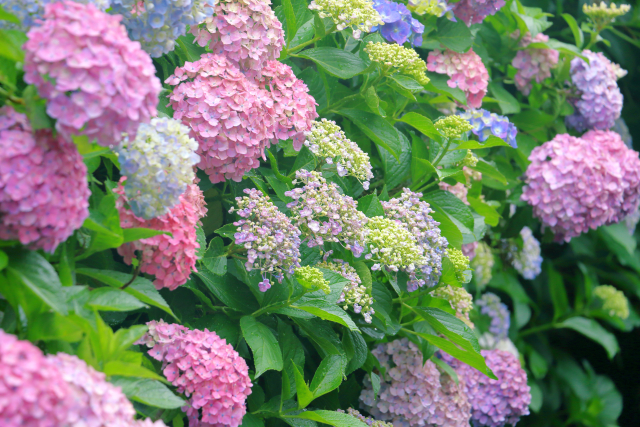
One of the most beautiful sights during the rainy season is the blooming of hydrangeas.
These flowers come in many colors, including blue, purple, and pink. Covered with raindrops, they become even more beautiful, and many people visit parks and gardens to enjoy them.
Interestingly, the color of a hydrangea can change depending on the soil in which it grows. The same type of flower may appear in different colors depending on its location.
Wishing for Sunshine with Teru Teru Bozu
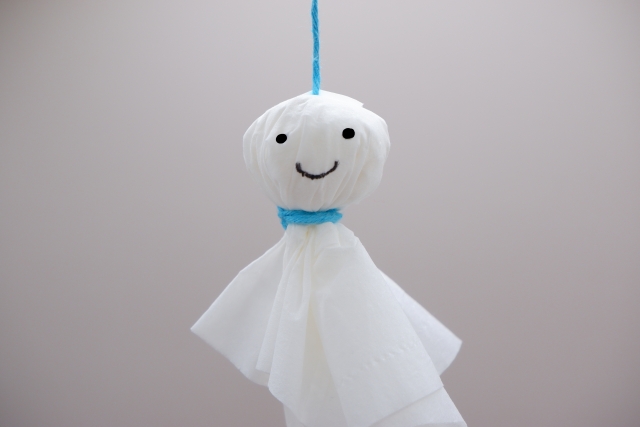
Japan also has a traditional custom called teru teru bozu.
A teru teru bozu is a small doll made from white cloth or paper. People hang it near a window and wish for good weather the next day.
Many Japanese people remember making one before school excursions, sports festivals, or other outdoor events. Even today, some families display teru teru bozu during the rainy season in hopes of seeing sunshine.
Visiting Japan During the Rainy Season
If you plan to visit Japan during the rainy season, bringing a folding umbrella and waterproof shoes is a good idea.
At the same time, rainy days offer their own special charm. Beautiful hydrangeas, fresh green landscapes, and peaceful streets create a different side of Japan that many visitors never forget.
If you have the chance to visit Japan, why not experience the rainy season for yourself?
Let’s learn Japanese language and culture together at NILS!
Follow us on Instagram for more about school life in Japan: