



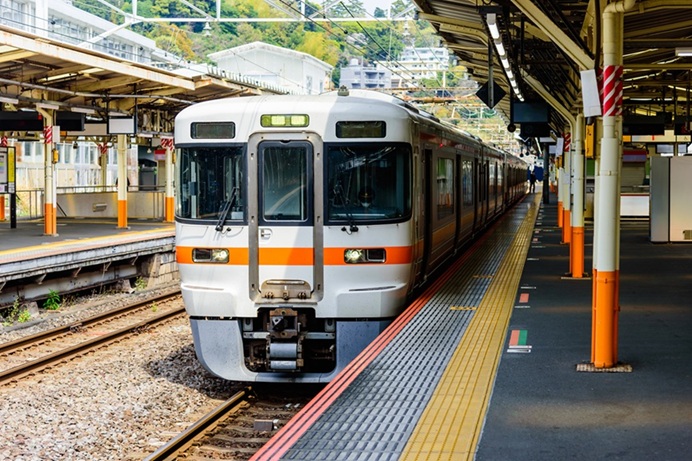
In Japan, even the brief moments before a train departs can carry meaning. At many railway stations, instead of a simple buzzer, passengers hear short musical phrases known as station melodies. These gentle tunes—sometimes cheerful, sometimes calm—play just before the doors close, signaling departure while shaping the emotional rhythm of daily travel. Though often lasting only a few seconds, station melodies have become a subtle yet deeply familiar part of Japanese soundscape culture, blending practicality with artistry.
From Signals to Sounds
The use of melodies in train stations began in the late twentieth century, as railway companies searched for ways to improve safety and reduce stress. Simple alarms were effective but harsh. Melodies, by contrast, offered a softer cue—clear enough to signal departure, yet pleasant enough to ease tension. Over time, what started as a functional improvement grew into a cultural feature. Stations adopted distinct tunes, allowing travelers to recognize places not just by sight, but by sound.
In busy urban networks, especially those operated by JR and major private railways, station melodies became part of daily routine. Commuters learned to associate certain tunes with home, work, or familiar transfer points. The melody was no longer just a signal—it was a marker of place.
Composers and Craft
Behind these brief musical moments are professional composers who specialize in creating melodies that work within tight constraints. One of the most well-known figures is Minoru Mukaiya, whose compositions for JR East are heard across Tokyo and beyond. These pieces are carefully designed: short, memorable, and emotionally balanced. They must be audible over station noise, yet never intrusive.
The melodies often follow simple structures, using major keys and moderate tempos. This design helps prevent panic while encouraging smooth passenger flow. Some are playful, others reflective. In each case, the goal is harmony between movement and mood—a concept deeply rooted in Japanese aesthetic thinking.
Station Identity and Local Character
As the practice evolved, station melodies began to reflect local identity. Certain stations use melodies connected to regional culture, famous landmarks, or local songs. This is where station melodies shift from utility to storytelling. A tune can suggest the atmosphere of a neighborhood, evoke memories, or even spark curiosity about a place.
Private railway companies, in particular, embraced this idea. Some introduced themed melodies along entire lines, while others assigned unique tunes to major stations. For travelers, these sounds quietly reinforce a sense of orientation—“this is where I am.”
The Sound of Fukuoka
In Fukuoka, station melodies reflect a slightly different character. Operated largely by JR Kyushu, stations in the region tend to favor warmer, more relaxed tones. At Hakata Station, one of Kyushu’s busiest transport hubs, the melodies feel calm and welcoming, matching the city’s reputation for openness and ease. Rather than sharp or overly energetic signals, the music supports a smooth flow of people moving between local trains, Shinkansen lines, and the city beyond.
Some JR Kyushu stations use melodies inspired by regional atmosphere rather than specific songs, creating a sense of continuity across Kyushu. For students studying in Fukuoka, these sounds quickly become part of everyday life. Hearing the familiar tune at the end of a school day or before a weekend trip quietly marks transitions—between study and rest, movement and pause.
Cultural Meaning in Everyday Sound
Station melodies reveal an important aspect of Japanese culture: the care given to ordinary moments. They do not demand attention, yet they shape experience. Like seasonal words in poetry, they operate subtly, guiding emotion without explanation. Over time, these melodies become deeply personal—connected to memories of commuting, meeting friends, or returning home.
In a society where public space is shared by millions, station melodies offer a small gesture of consideration. They soften urgency, reduce confusion, and add a human touch to mechanical systems. For visitors and language learners, noticing these sounds opens a new way of understanding Japan—not through grand symbols, but through everyday harmony.
A Quiet Soundtrack to Daily Life
Japanese station melodies may be brief, but they are rich with intention. They connect sound, place, and movement in a way that feels natural rather than designed. In cities like Fukuoka, they quietly accompany daily routines, becoming part of the background rhythm of life.
To listen carefully at a platform is to hear more than a departure signal—it is to hear a culture that values balance, clarity, and gentle guidance. Like a short poem heard in passing, the station melody fades quickly, but its impression lingers, carrying travelers forward on their journeys.